

Solidarity with Ukraine: “Four Years After the Start of the War, Ukraine Faces Major Challenges”
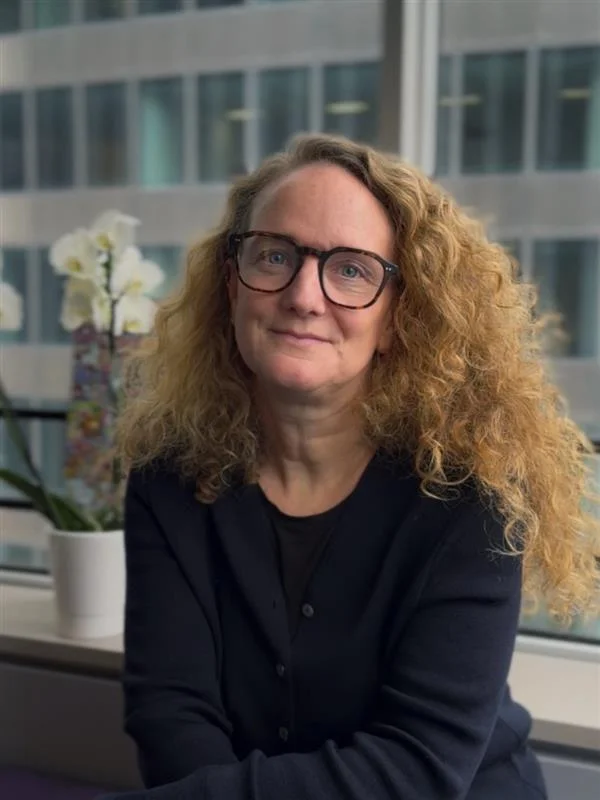
Sophie Lasserre, Head of the Emergency Programmes Unit at Fondation de France, reflects on the situation in Ukraine and the priorities of Fondation de France’s Ukraine Solidarity initiative.
What is the current situation in Ukraine?
The situation remains extremely complex and concerning. Hopes for a ceasefire glimpsed at the beginning of 2025 were met with an intensification of fighting, and frontline humanitarian needs remain very significant. Military offensives are particularly violent, and in recent weeks the multiplication of Russian strikes on energy infrastructure has deprived many households of electricity and heating, while temperatures are close to –20°C.
In Kyiv, a city of four million inhabitants, nearly 60% of the population is without electricity, heating or running water. Across the country, this context is forcing many people to take refuge in shelters (tents or other temporary structures) set up to protect them from the cold. A large number of Ukrainians, particularly those living in occupied territories where their rights are being restricted, are moving towards the western part of the country.
In response to this situation, our Ukrainian partners are demonstrating great adaptability. In recent days, they have alerted us to the consequences of power cuts and are seeking our support to acquire generators and external batteries, which are essential in order to continue assisting the most vulnerable populations. The need for blankets and equipment to establish temporary shelters is also critical. The left bank of Kyiv has been particularly affected: one of our partners is distributing hot meals there to people experiencing extreme hardship.
2026 is expected to be difficult. The front lines remain highly active, and the war spares no one: massive destruction, loss of life, grief and displacement are inescapable. After four years of conflict, the cumulative effects on Ukrainians’ mental health have become particularly severe, and trauma is widespread.
“The situation in Kyiv is currently very critical. Recent attacks on infrastructure have left a large part of the city without electricity, water and heating. It is primarily residential neighbourhoods that have been affected rather than business districts, which makes the situation especially challenging: residents see their daily lives disrupted and their essential needs severely compromised.”
Oleksiy Vasyliuk, representative of the NGO UNCG
What are Fondation de France’s priorities in this context?
Our ambition is to provide support across all sectors impacted by the war, through a multidisciplinary approach in collaboration with our partners. First and foremost, this means providing direct support to populations affected by the conflict, particularly by relying on organizations operating on the front line to respond to the most urgent humanitarian needs.
At the same time, we pay particular attention to the western part of the country, which has been relatively spared from fighting but is heavily impacted by the massive influx of displaced people. In a context where all families are affected by the war, the challenges of reception and social cohesion are essential. By facilitating the integration of displaced and refugee families, and by supporting individuals and structures assisting the most vulnerable (isolated older people, people with disabilities, and orphaned children), our objective is to rebuild strong social ties.
The defence of human rights is another fundamental priority. We support actors who document violations committed in occupied and attacked territories, in the hope that justice will be served. Environmental preservation is another often overlooked yet crucial issue: conflicts have direct consequences for ecosystems and, consequently, for human health. Our partners document these impacts, and we support advocacy efforts to develop protected natural areas. Finally, in 2026 we will concentrate our support on mental health challenges. The entire population is affected by the conflict; civilians’ mental health is under severe strain, and many veterans show signs of post-traumatic stress.
How are the various stakeholders working together?
Since 2023, Fondation de France has concentrated its support on 15 key actors: 13 Ukrainian organizations and 2 Moldovan organizations, as Moldova hosts the largest number of Ukrainian refugees relative to its population. We work with these structures on the basis of mutual trust, with adaptability, flexibility and responsiveness to address needs in real time.
Collaboration among our partners is also essential to ensure the effectiveness of our interventions. We regularly organise meetings and strategic seminars bringing together Ukrainian and Moldovan organizations to create a space for dialogue, sharing and cooperation. These exchanges allow us to better understand priorities in real time and continuously adjust our actions. In 2025, Fondation de France travelled to Ukraine three times to support its partners and remain closely connected to the realities on the ground. The objective remains clear: to act with relevance and sustainability, providing concrete support to the Ukrainian population and to the actors supporting them.
Photo credit: © Angels of Salvation
READ FURTHER
→ Solidarity with Ukraine: 3 Years of Steadfast Support
→ Solidarity with Ukraine: associations on the front lines
→ Solidarity with Ukraine: lasting commitment from Fondation de France
→ Solidarity with Ukraine: two years of action
→ Solidarity with Ukraine: The Work Never Stops
→ Solidarity with Ukraine: a year of action
→ Emergencies: rebuilding lives over the long term